

DSIP: Delta Sleep-Inducing Peptide Research Guide
Evidence-focused overview of DSIP for laboratory researchers, covering biochemical properties, reported mechanisms, analytical methods, and handling considerations.
Research Library
Educational summaries of published, in-vitro peptide research. All content is provided for informational purposes and for research use only.
Evidence-focused overview of DSIP for laboratory researchers, covering biochemical properties, reported mechanisms, analytical methods, and handling considerations.

Selank is a synthetic heptapeptide investigated in preclinical and clinical research for effects on neurochemical regulation and behavioral models. This article summarizes mechanisms, experimental contexts, and laboratory considerations for researchers.
A concise review of Semax, a synthetic ACTH(4–10)-derived peptide investigated in nootropic peptide research. Covers mechanisms, experimental findings, and lab considerations for researchers.

An evidence-grounded overview of GHK-Cu (copper peptide) for laboratory researchers. Summarizes mechanisms studied, common assays, handling, and quality checks for research peptides.

This article reviews NAD+ biology and its central role in cellular energy metabolism, summarizes NAD+ research trends and biosynthetic NAD precursors, and outlines laboratory approaches for studying these research compounds.
MOTS-c is a 16–amino-acid mitochondrial-derived peptide studied for mitochondrial–nuclear communication and metabolic regulation in preclinical models. This article summarizes its biology, research tools, and laboratory handling considerations.
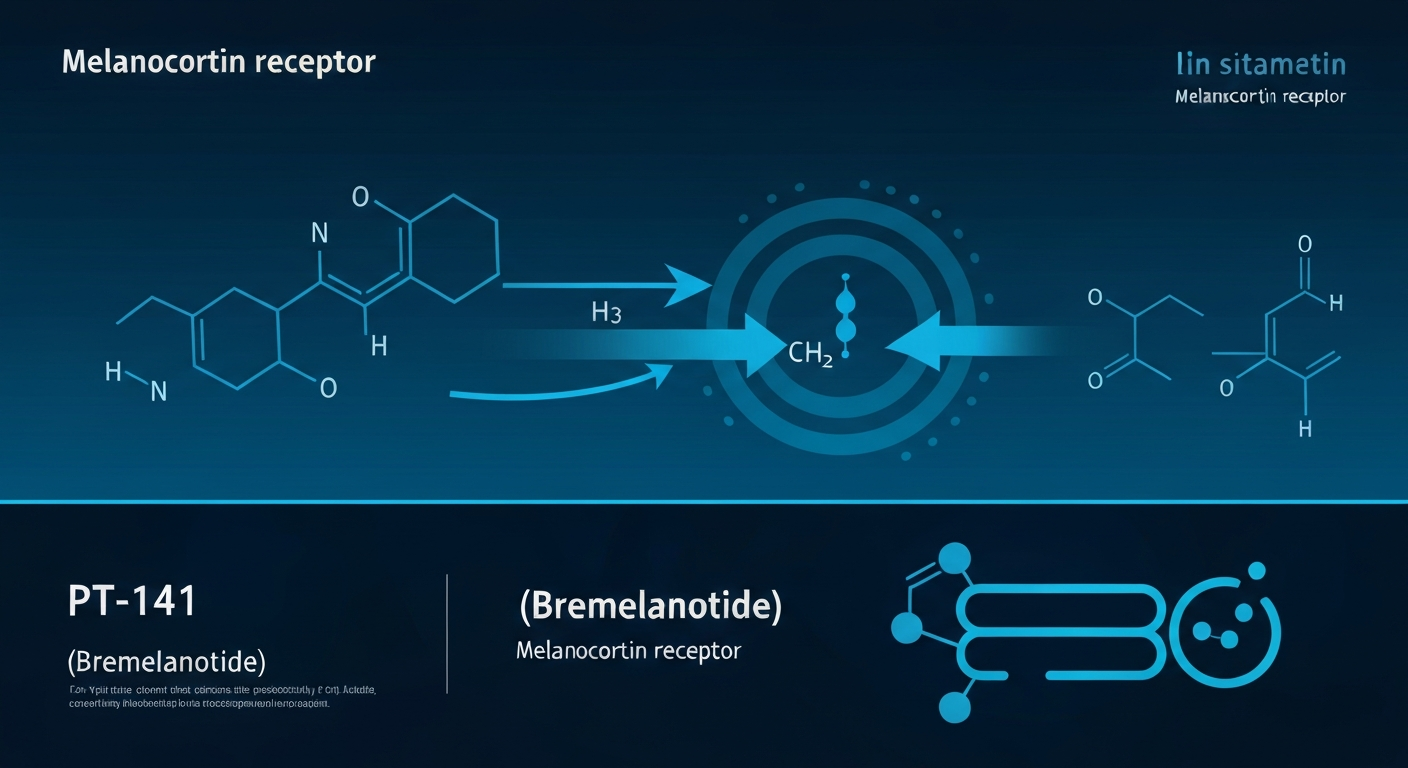
A concise review of PT-141 (Bremelanotide) as a research peptide targeting melanocortin receptors, summarizing mechanisms, common assays, and laboratory considerations for investigators.
An evidence-focused overview of BPC-157 and TB-500 as individual research peptides and as a BPC-157 TB-500 blend, covering mechanisms, experimental design, and lab considerations.
An evidence-focused overview of retatrutide and triple agonist peptides, summarizing molecular design, pharmacologic rationale, and experimental considerations for GLP‑1 pathway research.
This article summarizes semaglutide as an incretin peptide analogue and the GLP-1 receptor signaling mechanisms studied in research settings, with practical considerations for laboratory assays. Intended for research use only.
Tirzepatide is a synthetic peptide studied as a dual agonist of GIP and GLP‑1 receptors. This article outlines molecular design, receptor pharmacology, signaling, and common research methods.

A science-focused overview of BPC-157 summarizing reported mechanisms, common preclinical models, experimental endpoints, and practical laboratory considerations. Intended for research use only.